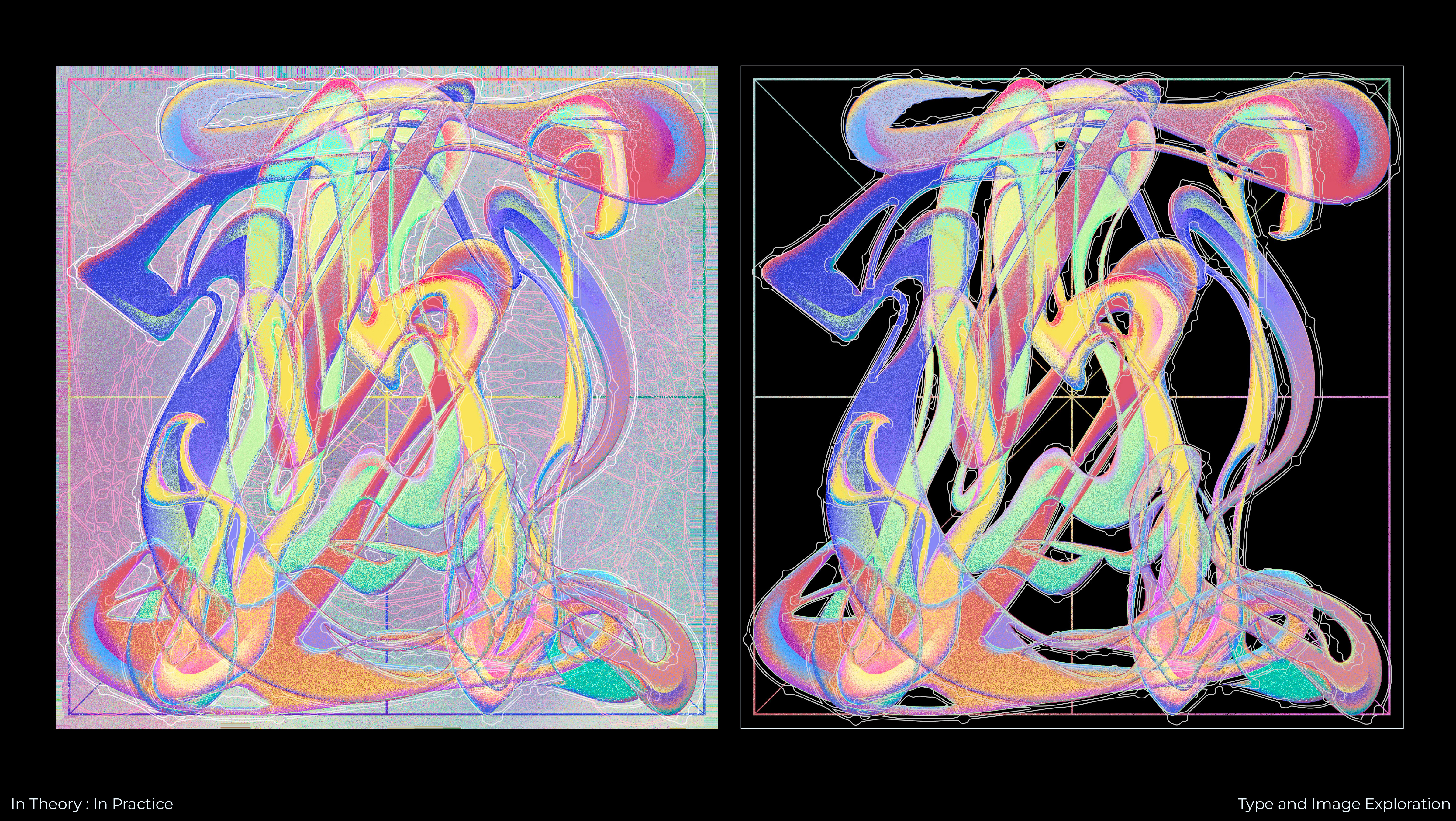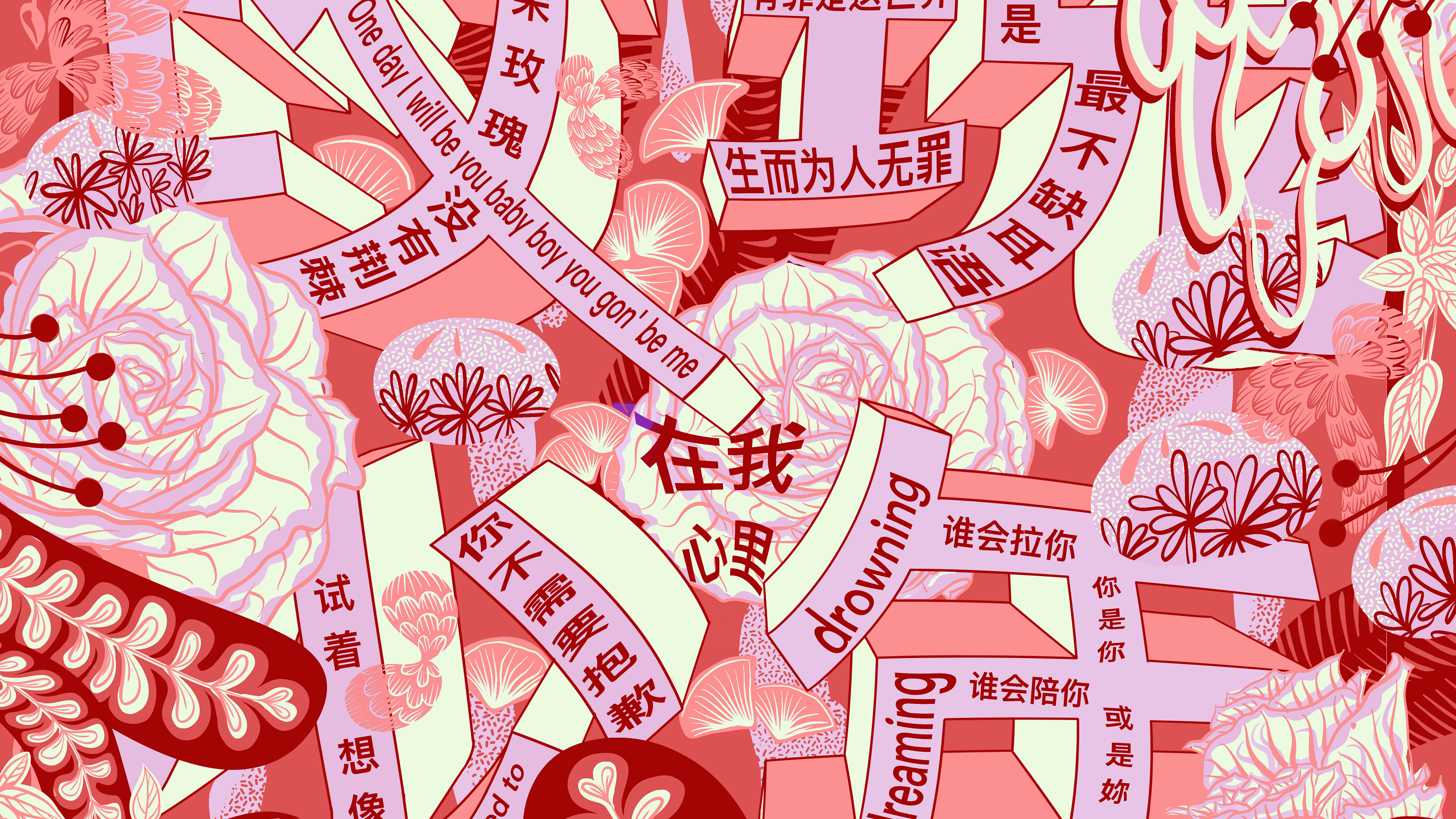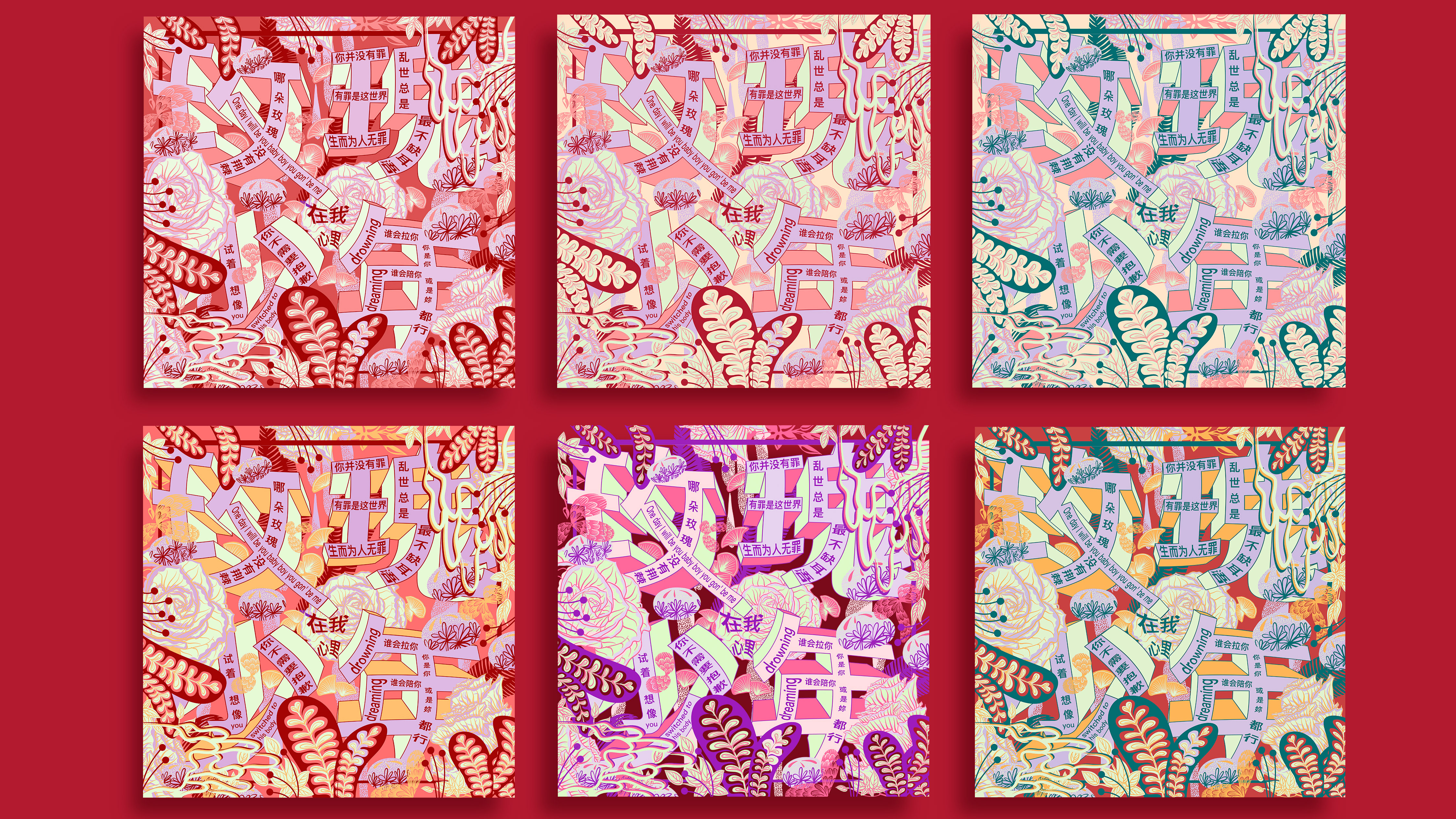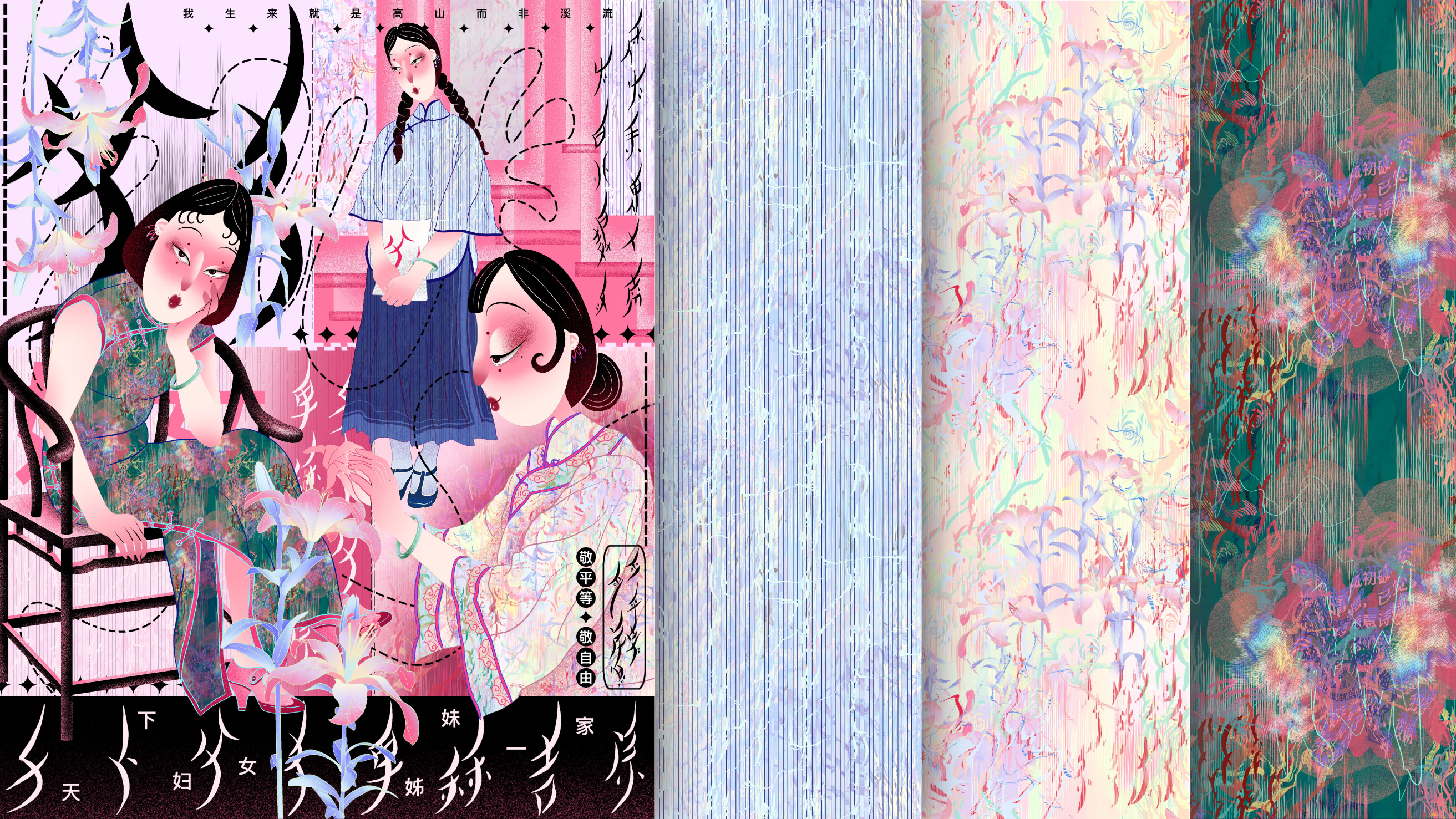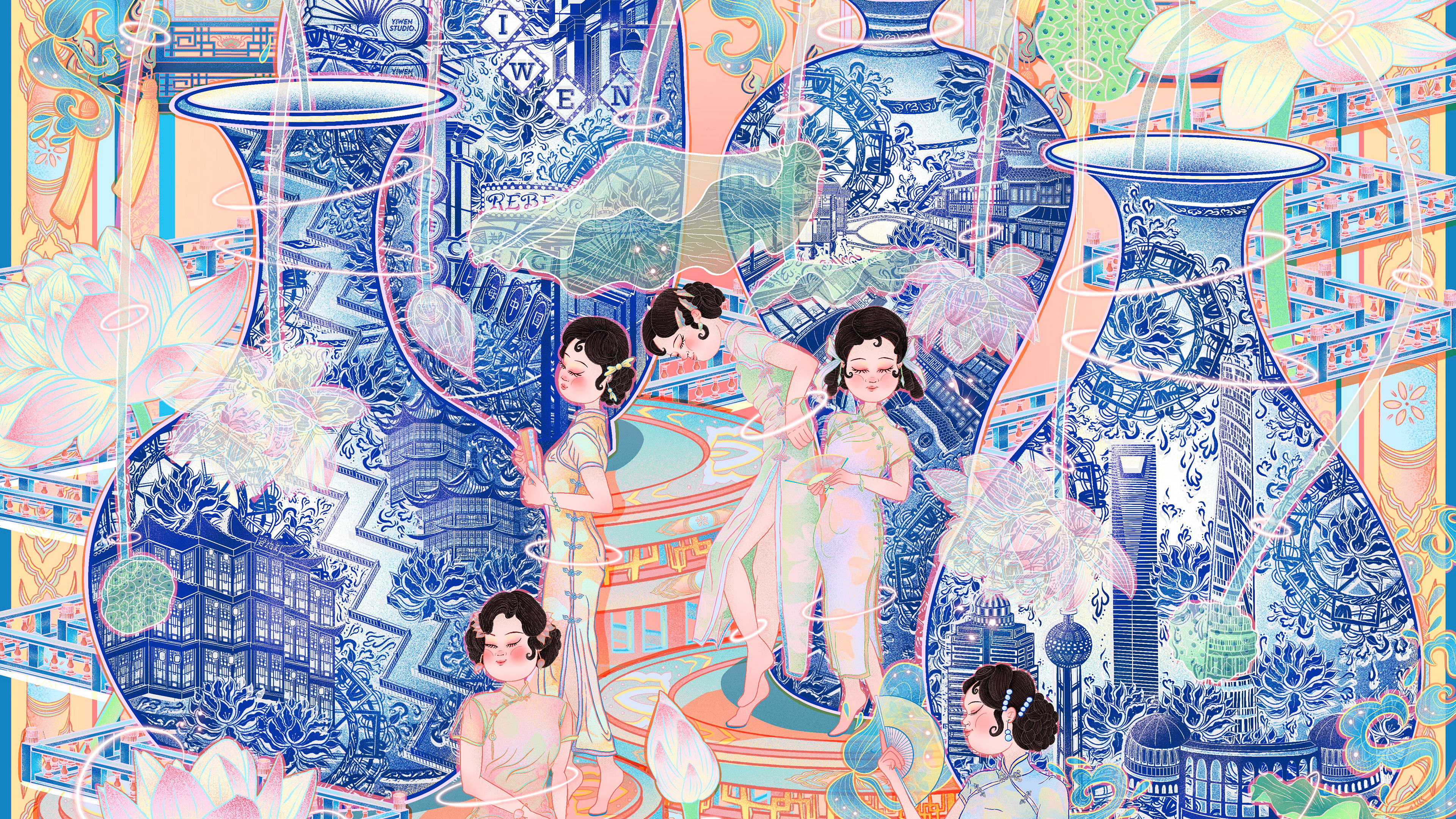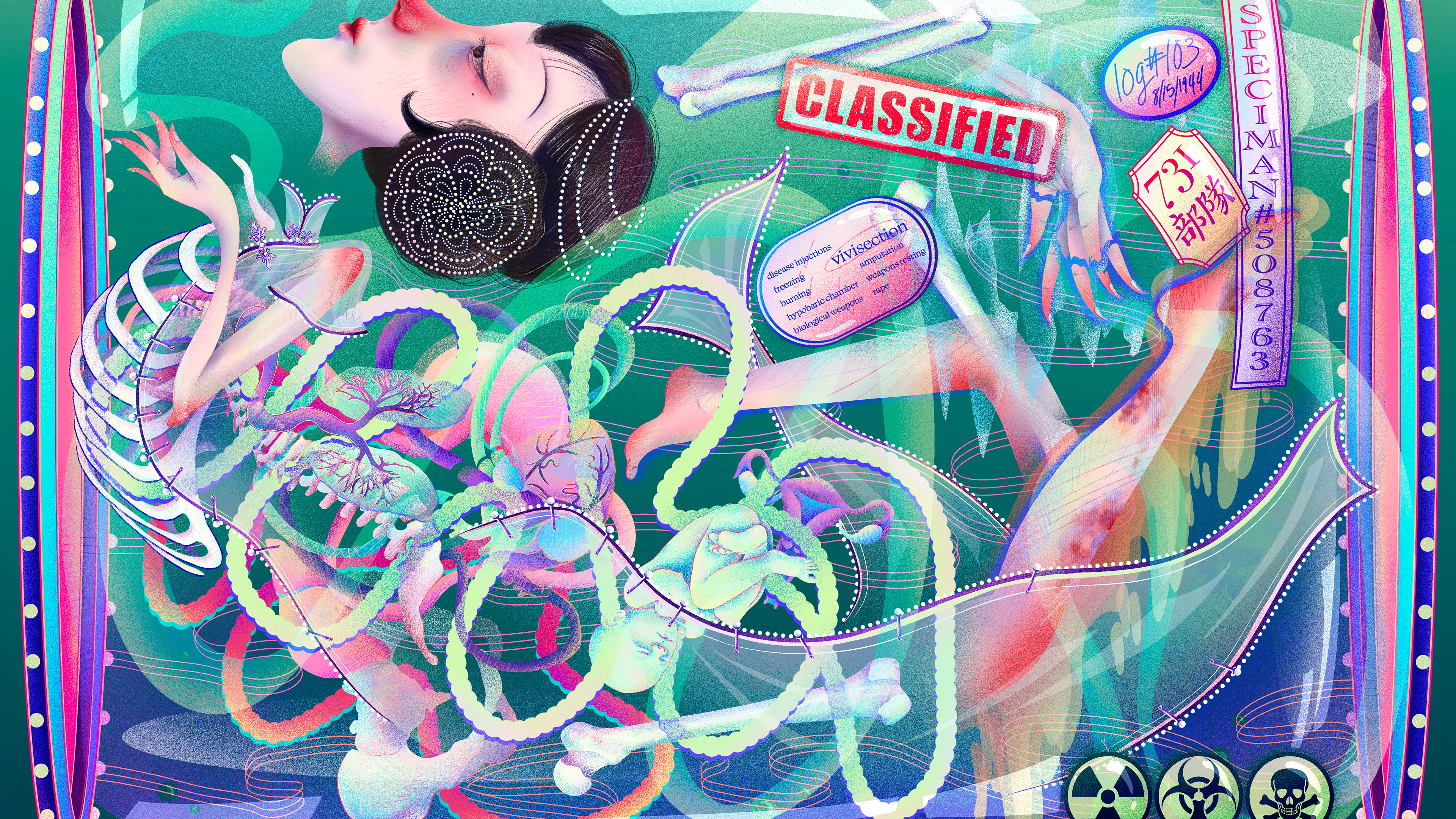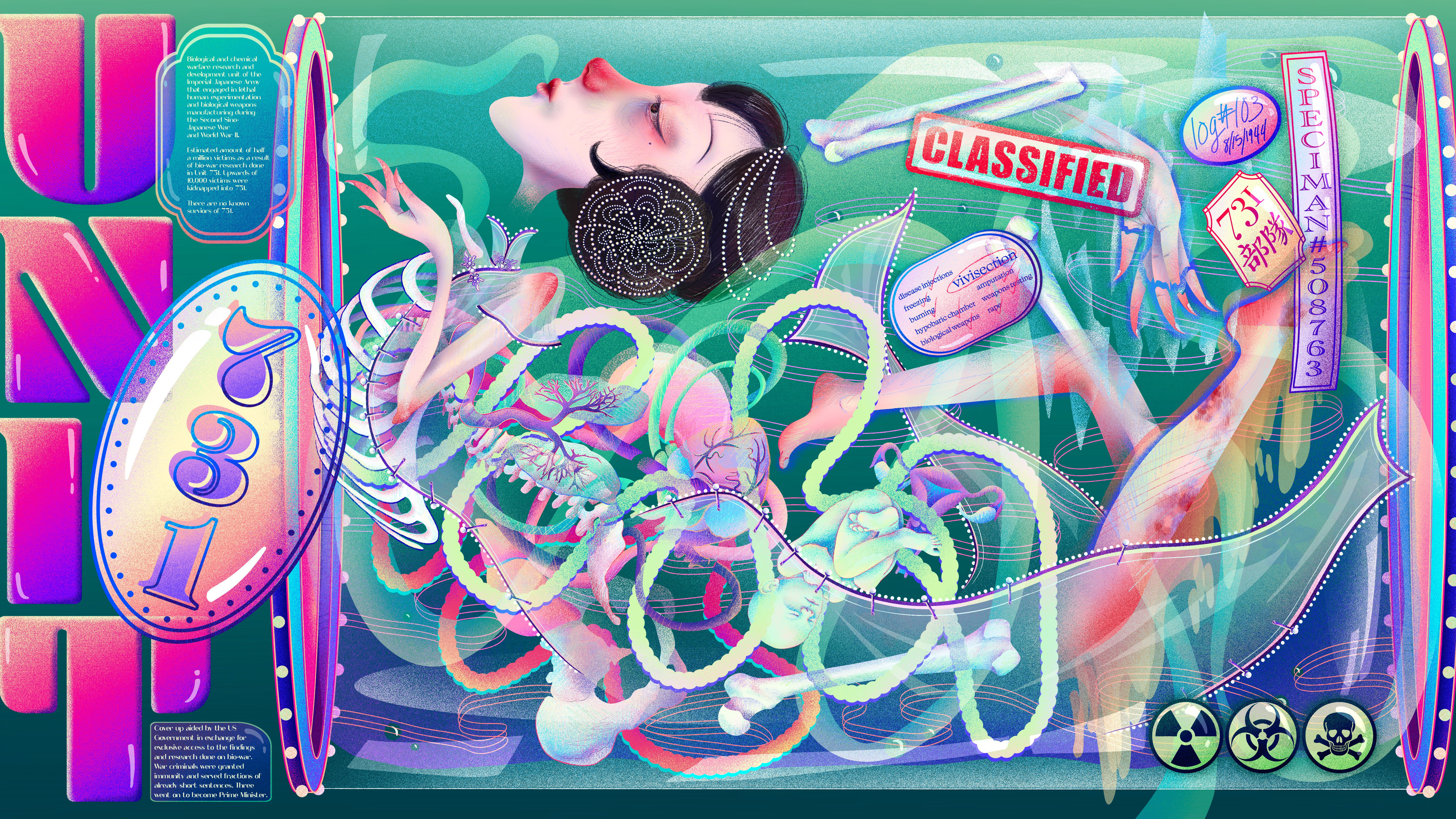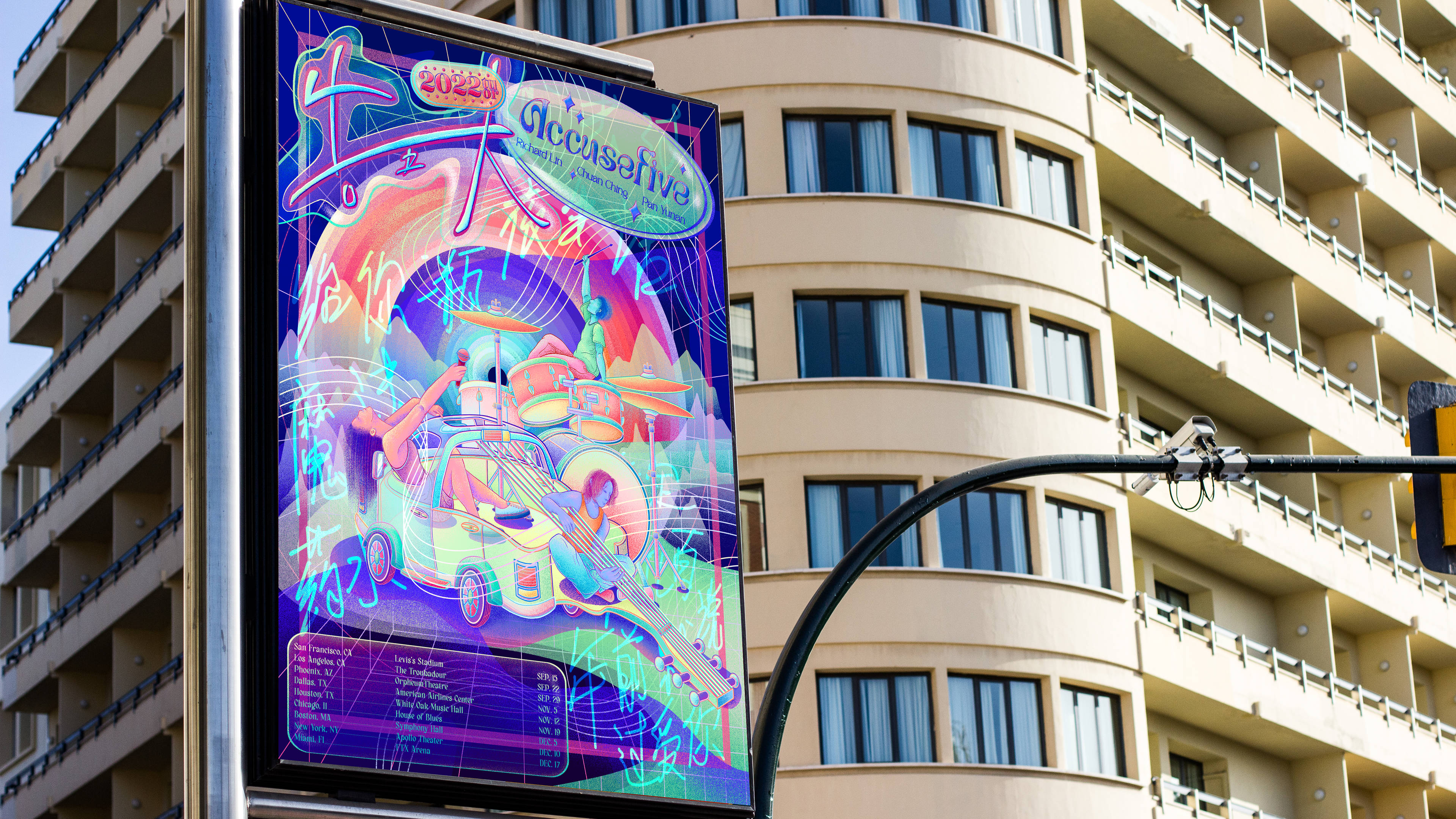
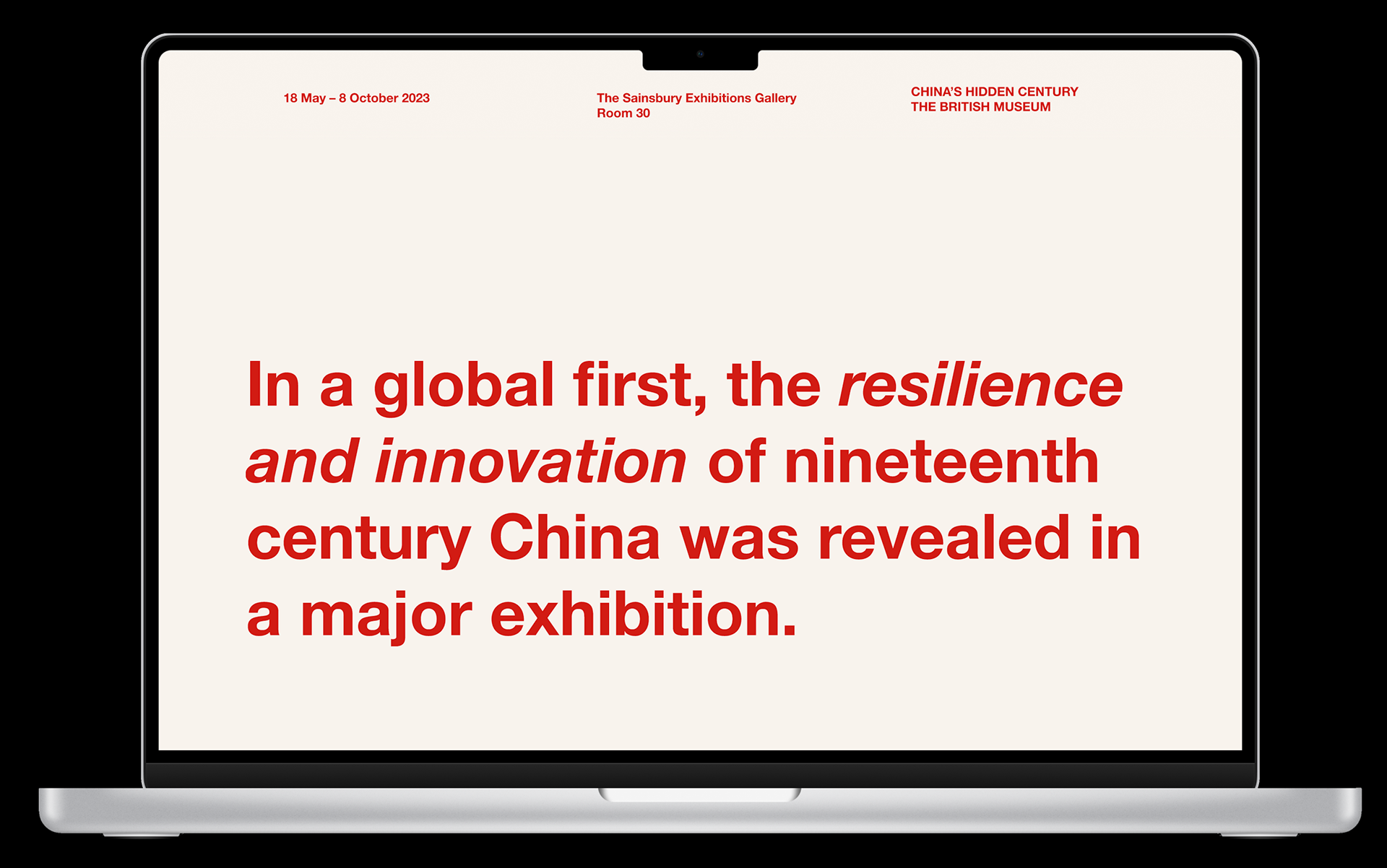
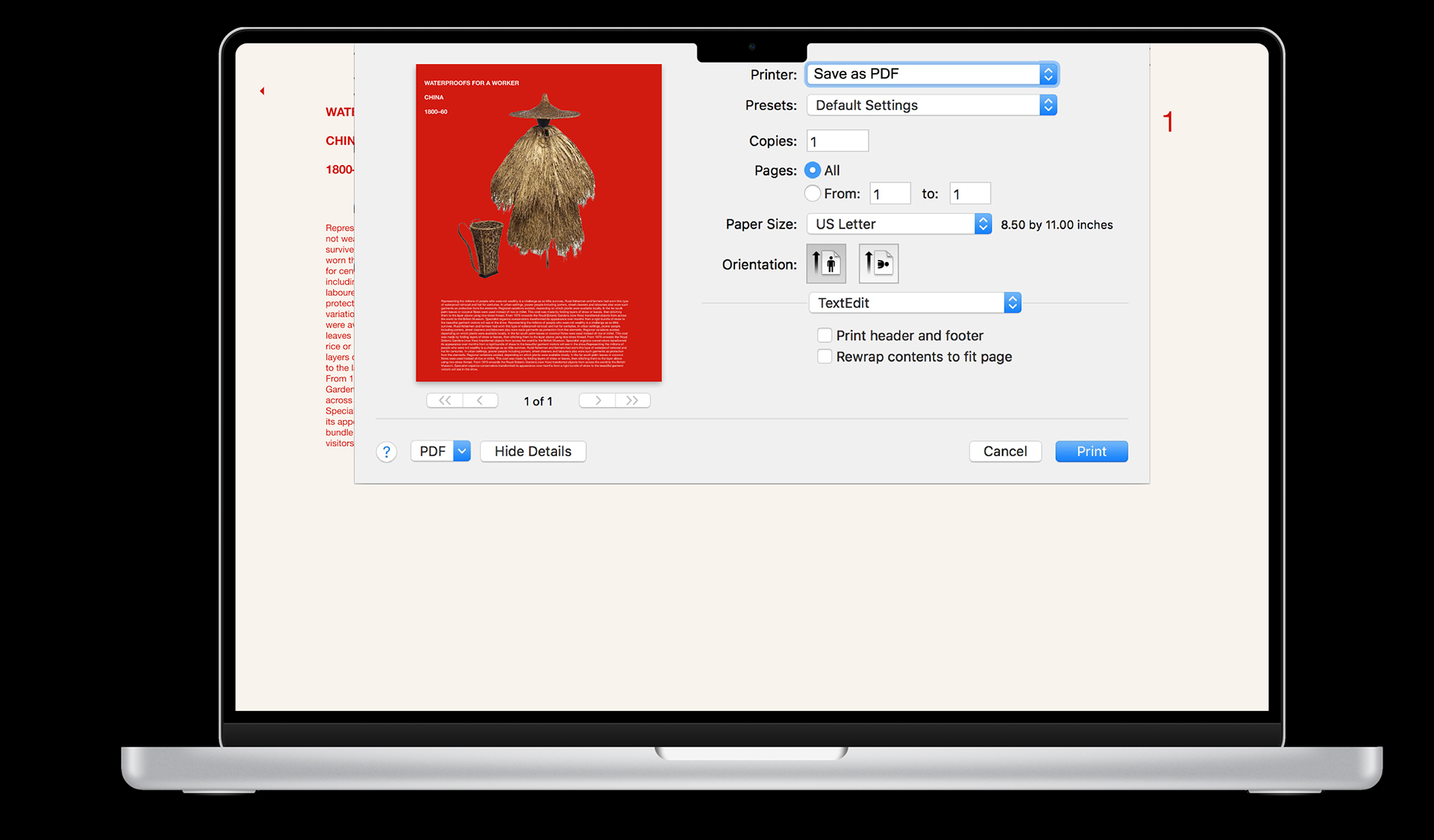
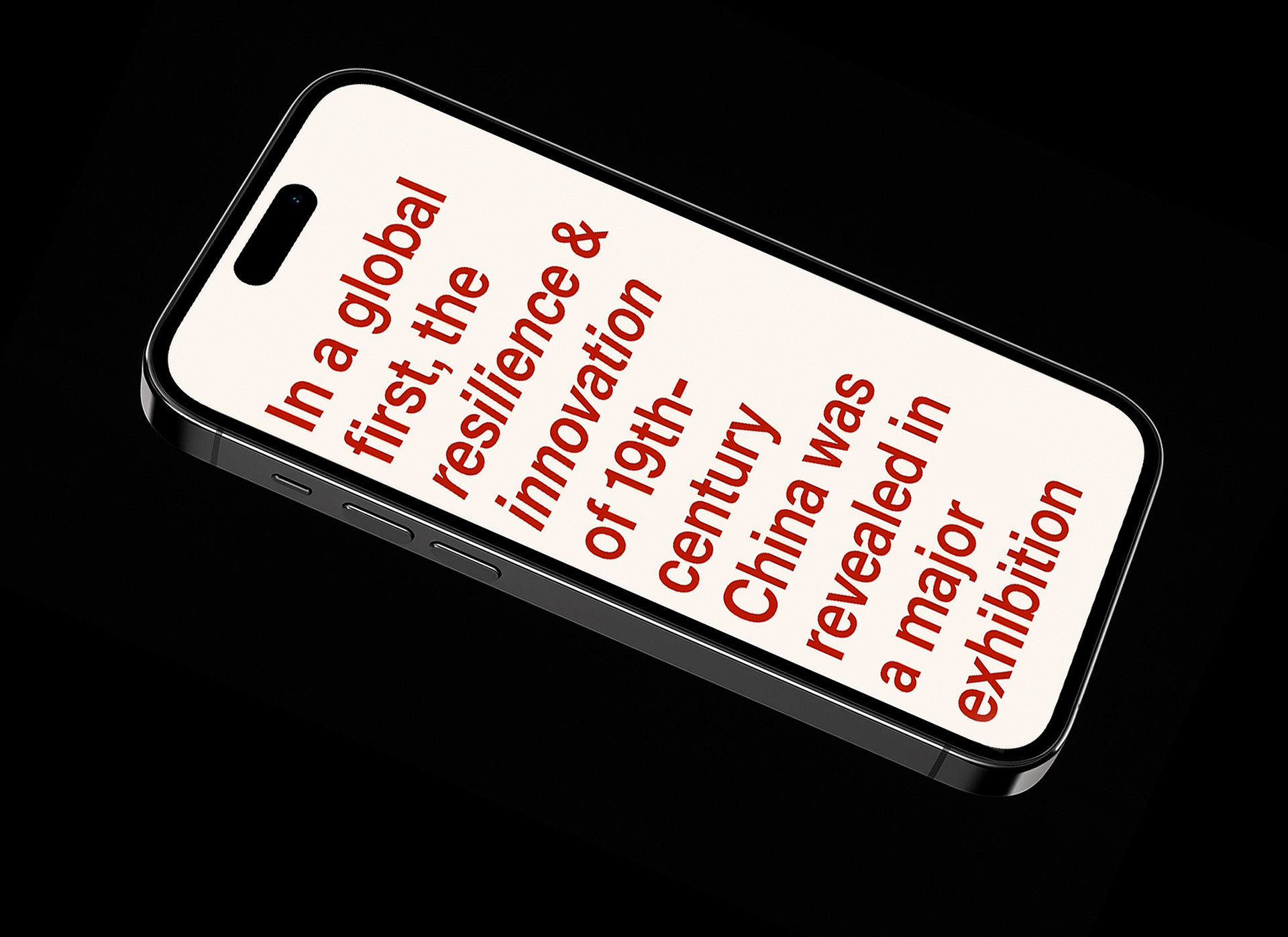
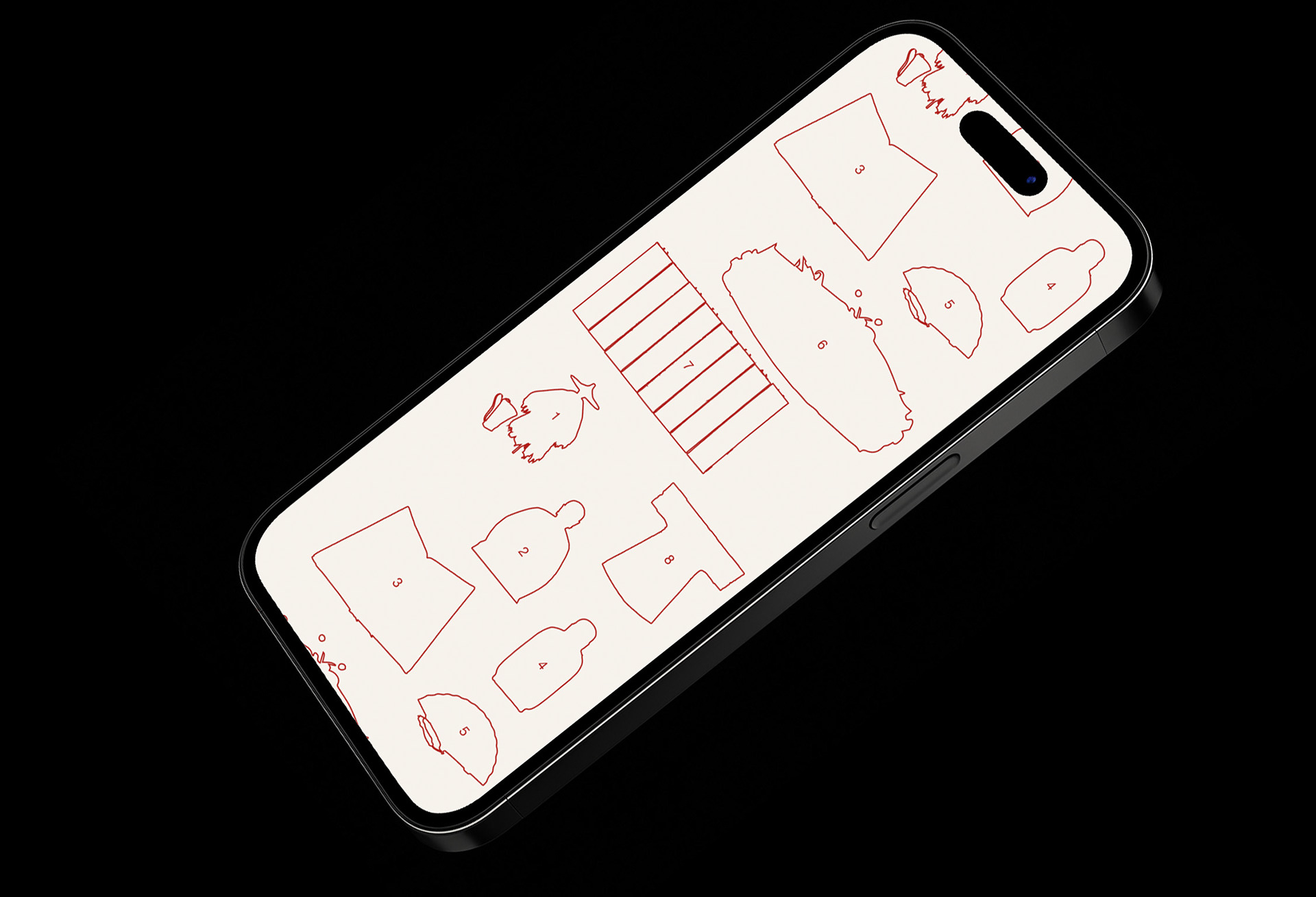
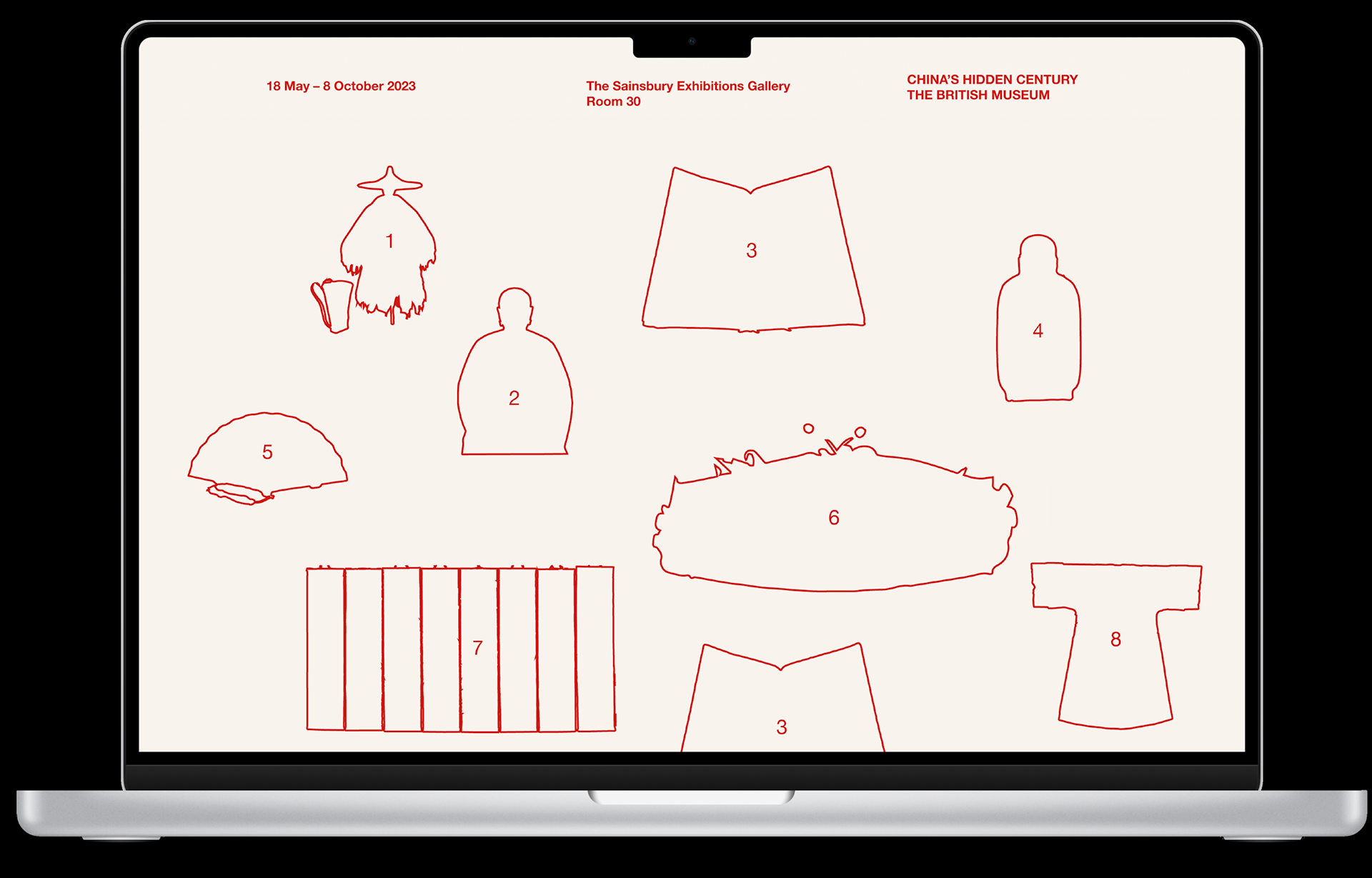
The British Museum’s China’s Hidden Century explores the final century of the Qing dynasty, from 1796 to 1912, a period often framed in historical narratives as one of decline. Through a diverse collection of material culture—including garments, calligraphy, weaponry, and decorative arts—the exhibition seeks to complicate this reductive perspective, instead emphasizing resilience, creativity, and cultural dynamism. Objects on display range from intricate silk robes and embroidered portraits to imperial edicts and religious artifacts, reflecting the complexity of a society in transition. By foregrounding artistic and technological achievements, the exhibition challenges the idea of China’s 19th century as solely a time of crisis, instead presenting it as a period of adaptation and innovation. This digital experience provides an option for all items in the exhibition to exist as a digital archive while simultaneously including sudden prompts that will allow the user to download and learn more on the circumstances in which the artifact came to be displayed so far from home.

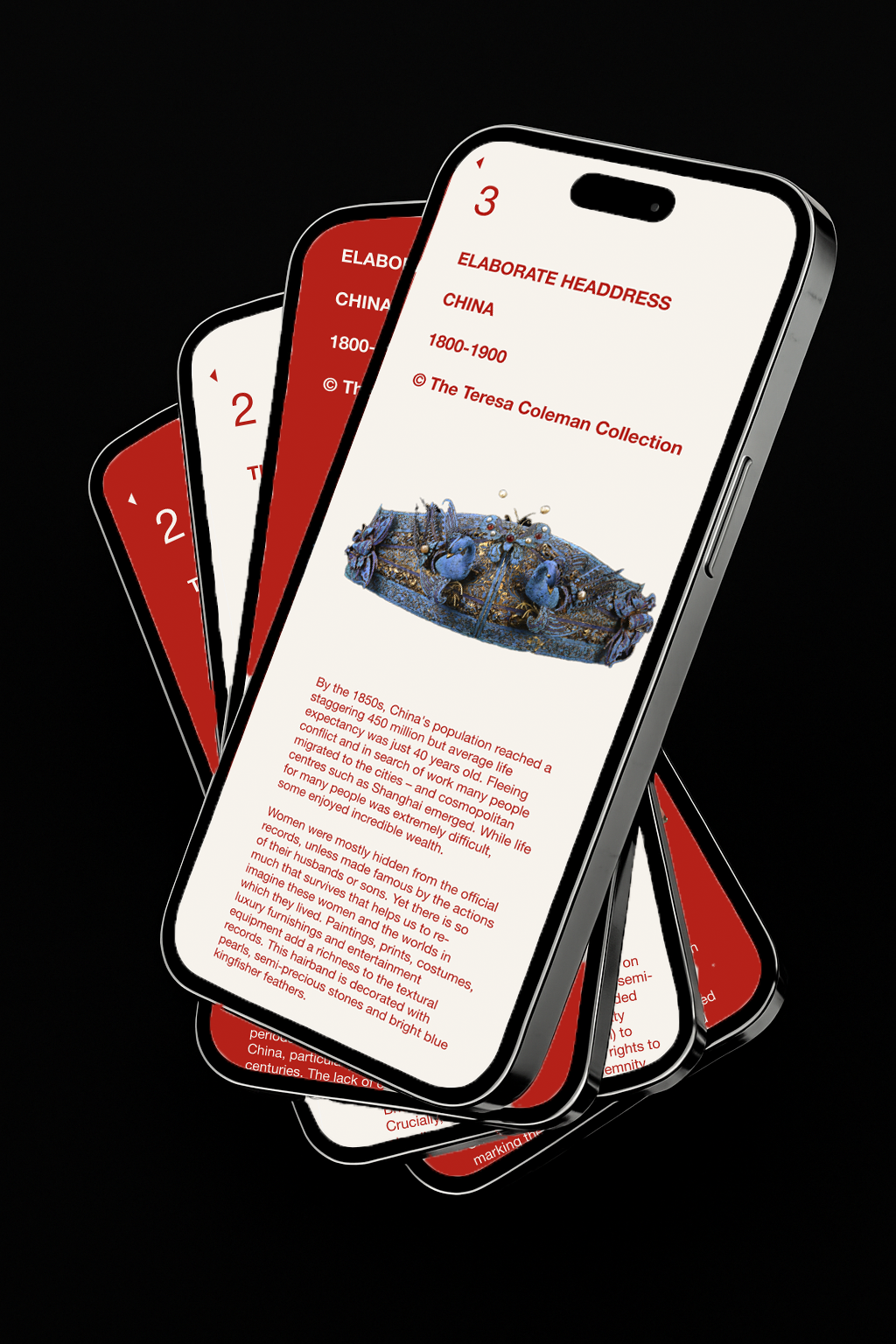
Despite its ambitious curatorial framework, China’s Hidden Century operates within the institutional limitations of the British Museum, a site deeply entangled with the legacies of colonial collection and display. The exhibition does not fully engage with the historical conditions under which many of these objects were acquired, nor does it interrogate the ways in which Western museums construct narratives around non-Western histories. The presentation of these artifacts—encased in glass, removed from their original contexts—reinforces an aestheticized and decontextualized view of Qing material culture, echoing 19th-century colonial exhibition practices where such foreign treasures became markers of cosmopolitan taste as well as signals of Britain’s global presence.
This raises fundamental questions about the role of museums in shaping public understanding of history. Who determines the story being told? What absences are rendered invisible in the process of curation? And to what extent does the framing of an exhibition reinforce or challenge existing power structures?
A critical engagement with China’s Hidden Century requires not only an appreciation of the objects on display but also an awareness of the historical conditions under which they have come to be housed in the British Museum. While the exhibition successfully highlights the artistic and intellectual achievements of Qing China, its lack of interrogation into issues of provenance, coloniality, and museological authority presents an incomplete narrative.
By addressing these gaps, we can reconsider how digital interventions or alternative curatorial approaches might offer a more nuanced, polyphonic interpretation—one that not only showcases the material culture of 19th-century China but also engages with the complex histories that continue to shape its reception today.